Guides
Cremation niches: columbarium and mausoleum entombment explained
Entombment in a cremation niche, often called a columbarium, or in a mausoleum can be a quiet and dignified way to lay a loved one to rest above ground. If you are weighing these options, this guide walks through how they differ, where niches are found, the designs you can choose, and what each one typically costs. The aim is simple: enough plain information to help you decide what feels right.
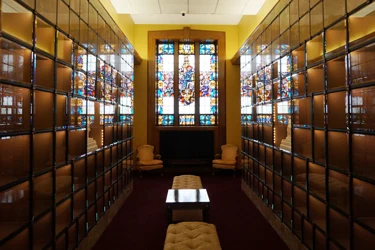
Columbarium vs mausoleum: what's the difference
People often assume a columbarium and a mausoleum are the same thing, but there is one clear distinction.
A columbarium is for the placement of ashes after someone has been cremated, while a mausoleum is for the entombment of a full body in a casket. The confusion is understandable, because columbarium niches are sometimes set within a mausoleum building.
What is a columbarium
A columbarium is a place designated for the interment of ashes after cremation. It gives family and friends a fixed place to visit and pay their respects, much like visiting a grave.
The structure itself comes in many forms. It may be a free-standing wall in a cemetery or another outdoor setting, or it can be built into a wall inside a building such as a church. Columbariums are frequently constructed from marble or high-quality granite so they last.
Columbarium niches
Niches are the individual receptacles within a columbarium. The ashes, usually held in an urn or other container, are placed into the niche and then sealed.
Niches come in a range of sizes, with each one large enough to hold the ashes of at least one person.
What is a mausoleum
Originally, mausoleums were stately and elaborate buildings raised for the burial of nobility and other high-ranking figures. Today they are usually more modest, but they remain a lovely and dignified place to lay the dead to rest.
Mausoleums are typically above-ground buildings. Inside are crypts, the chambers that hold the casket and body of the person who has died. The type of mausoleum is generally chosen by the family, and the most common forms are listed below.
Indoor mausoleums
Indoor mausoleums are enclosed structures that house the crypts. This type is common in Louisiana cemeteries, and especially in New Orleans, in part because of the high water table there.
Garden and outdoor mausoleums
These crypts sit outside, usually in a cemetery setting. Some cemeteries offer both indoor and outdoor options, and outdoor crypts are sometimes set within a garden with walking paths and benches.
Private mausoleums
Privately owned mausoleums shelter only members of a single family and are, for the most part, located within a cemetery. They offer a secluded, quiet place for family and friends to visit, and are usually built in advance so they are ready when someone in the family passes away.
Where cremation niches are located
Columbariums, sometimes called cemetery niches, can be found in a number of settings. Here are a few of the most common.
Cemetery
In a cemetery, niches are usually held in free-standing walls, most often outdoors. Some cemeteries also have a building on the grounds that houses the columbarium, giving families a sheltered place to pay their respects without enduring the elements.
Churches or chapels
Niches within a church are normally built into a wall, though they can also be free-standing, and there may be comfortable seating nearby where people can sit for a while. Many churches have begun adding a columbarium to their building, creating an intimate resting place where the family already gathers to worship.
Underground
Some columbariums are built underground, beneath the main building. One striking example is Sacred Stones in the UK, whose design was inspired by the ancient burial grounds of our prehistoric ancestors. Visitors describe a quiet stillness as they enter.
Types of niches available
Most columbariums offer niches in several types and sizes, from those built for a single person to larger niches that can hold the ashes of more than one. Choosing the size and style is usually the first decision a family makes.
Glass niches
Many niches are now made with glass fronts, which let the family see the container holding the ashes along with anything placed alongside it. Some are large enough to hold a few personal items, such as photographs of the person who died or objects that mattered to them, so the niche can be personalized.
Columbarium niche costs
Niche costs vary considerably with location, facility, and other factors, and those located indoors are generally the most expensive.
As a rough guide, a single niche of roughly 9 x 9 x 9 inches can cost about $700, while larger niches that hold the ashes of two or more people run up to around $3,000. These are figures from the source material rather than live quotes, so always confirm current pricing with the facility. If you are still comparing the wider picture, our overview of cremation costs may help.
What the cost usually includes
A niche price typically covers more than the space itself.
- ✓Placing and sealing the urn inside the niche
- ✓The property on which the niche is located, which can vary significantly in price
- ✓Ongoing care of the niche by facility staff
- ✓Engraving on the front plate or the urn
- ✓Recording of the interment
- ✓A weekend interment, which can add as much as $200
- ✓A last-minute purchase rather than pre-planning, which can add roughly 20% to the price
Benefits of choosing a columbarium
Families choose a columbarium for several reasons.
- ✓It is above ground, which suits those who are uneasy about being buried below ground
- ✓It offers a dedicated place for family and friends to visit
- ✓It is gentler on the environment, taking up less ground space
- ✓An indoor columbarium lets people pay their respects in comfort, out of bad weather
Mausoleum entombment
Entombment in a mausoleum is for the whole body and casket. The word itself traces back to King Mausolus, an ancient ruler for whom one of the earliest grand tombs was built around 350 BC.
Mausoleums are typically constructed from materials chosen to withstand weather and time, usually marble and high-quality granite. The casket and body are placed in a crypt within the structure and then sealed.
Types of mausoleum crypts
Crypts sit within the mausoleum and, in most cases, rise six or seven levels high. There are single crypts for one person and double crypts for two, and four common arrangements overall. Other variations exist depending on the location and the family's wishes. Each person can have an individual name marker, or one larger marker can carry all the names.
- ✓Single crypt — for the remains of one person in a casket
- ✓Companion crypt — two bodies side by side in one crypt
- ✓Tandem crypt — two bodies end to end, taking the space of a single crypt
- ✓Westminster family crypt — sometimes one body above ground and one below, or several caskets arranged side by side or end to end and stacked
Mausoleum prices
Mausoleums can be costly, and the final figure depends on many factors.
In a community mausoleum, where there may be several hundred individually owned crypts, costs from the source material range from about $3,000 to $30,000. Private mausoleums can run from roughly $25,000 to $500,000 depending on size, the number of crypts, whether the structure is walk-in, and the cost of the area where it is built. Some families lower the cost by sharing a structure, sometimes with as many as 25 other family members. On top of the structure, an entombment fee for placing and sealing the body can add another $500 to $2,000.
Benefits of a mausoleum
A mausoleum appeals to families for reasons that overlap with, but go beyond, a columbarium.
- ✓A good choice for someone who would rather not be buried below ground
- ✓A quiet, dignified place to visit and remember a loved one
- ✓Saves ground space, easing pressure on overcrowded cemeteries
- ✓Often seen as more environmentally friendly, as above-ground entombment keeps the casket from releasing substances into the soil
- ✓A distinctive resting place for someone special
Is entombment right for you
Entombment in a columbarium or mausoleum suits anyone who wants a calm, dignified resting place above ground. Both carry an atmosphere of quiet and spiritual comfort, and both are worth weighing alongside the other options.
You do not have to choose just one path, either. Some families scatter or keep a portion of the ashes and give the rest a resting place in a mausoleum or columbarium. If you would like help thinking through the alternatives, our guide to what to do with ashes covers scattering, keepsakes, and more.
In the end, the most important factor in choosing a final resting place is the one you feel in your heart is right.
FAQ
Cremation niches: columbarium and mausoleum entombment explained: common questions
- What is the difference between a columbarium and a mausoleum?
- A columbarium holds the ashes of someone who has been cremated, usually in sealed niches. A mausoleum is built for the entombment of a full body in a casket. Columbarium niches are sometimes placed inside a mausoleum, which is why the two are often confused.
- What is a cremation niche?
- A niche is the individual receptacle within a columbarium where ashes are placed. The ashes are usually held in an urn or other container, set into the niche, and then sealed. Niches come in different sizes, from single-person niches to larger ones that hold the ashes of two or more people.
- How much does a columbarium niche cost?
- Costs vary with location and facility, and indoor niches tend to be the most expensive. As a general guide, a single niche of roughly 9 x 9 x 9 inches can cost about $700, while larger niches for two or more people can run up to around $3,000. Always confirm current pricing directly with the facility.
- How much does a mausoleum cost?
- A crypt in a community mausoleum can range from about $3,000 to $30,000, while a private mausoleum can run from roughly $25,000 to $500,000 depending on size and location. An entombment fee for placing and sealing the body can add another $500 to $2,000.
- Where can cremation niches be found?
- Columbariums are commonly located in cemeteries, often as free-standing walls; inside churches and chapels, usually built into a wall; and occasionally underground beneath a main building. Some cemeteries also house their columbarium in a dedicated building so families can visit out of the weather.
- Can I scatter some ashes and entomb the rest?
- Yes. Many families keep or scatter a portion of the ashes and give the remainder a resting place in a columbarium or mausoleum. There is no single correct path, so you can combine options in whatever way feels right.

About the author
Adam Binstock
Founder of Cremation Institute
Keep reading
Related guides
Planning a cremation?
See what a direct cremation should cost where you live, and compare trusted providers before you pay for extras you may not need.
Direct cremation costs →