Guides
Cremains: what they are and what to do with them
"Cremains" is a blend of two words, cremated and remains, and it comes up constantly once you start researching cremation. People also call them ashes or simply remains. If you are weighing cremation for yourself or a loved one, it is natural to have a lot of questions. This guide explains exactly what cremains are, how they are produced, how much there is, what they look like, and the many things families choose to do with them.
What are cremains?
Cremains is a portmanteau of the words cremated and remains. It is the bone matter left behind after the body's organic material is reduced by intense heat.
People very often call this material ashes, but that label is misleading. What remains is bone, not ash, and understanding the difference clears up a lot of common confusion about the cremation process.
Common questions about cremains
A few questions come up again and again when families first learn the term. Here are the ones we hear most often.
How much ash is there after cremation?
The average set of remains weighs about five pounds. It is tempting to assume body size drives the amount, but the fat, fluids and organs are consumed during cremation, leaving only bone fragments. As a result, a taller person does tend to leave more remains than a shorter one.
Bone density also matters. Men generally have denser bones than women, and younger people typically have denser bones than older people. As a rough guide, adult cremains represent about 3.5% of the original body weight, and roughly 2.5% for children.
What are human ashes made up of?
Although people say ashes, cremains are not really ashes at all. For the most part they are dry calcium phosphates along with some other minerals such as potassium and sodium. In plain terms, that is bone matter. True ash would simply burn away under the heat of a cremation.
Pet cremation works the same way, and the remains of a pet are almost the same as human cremains.
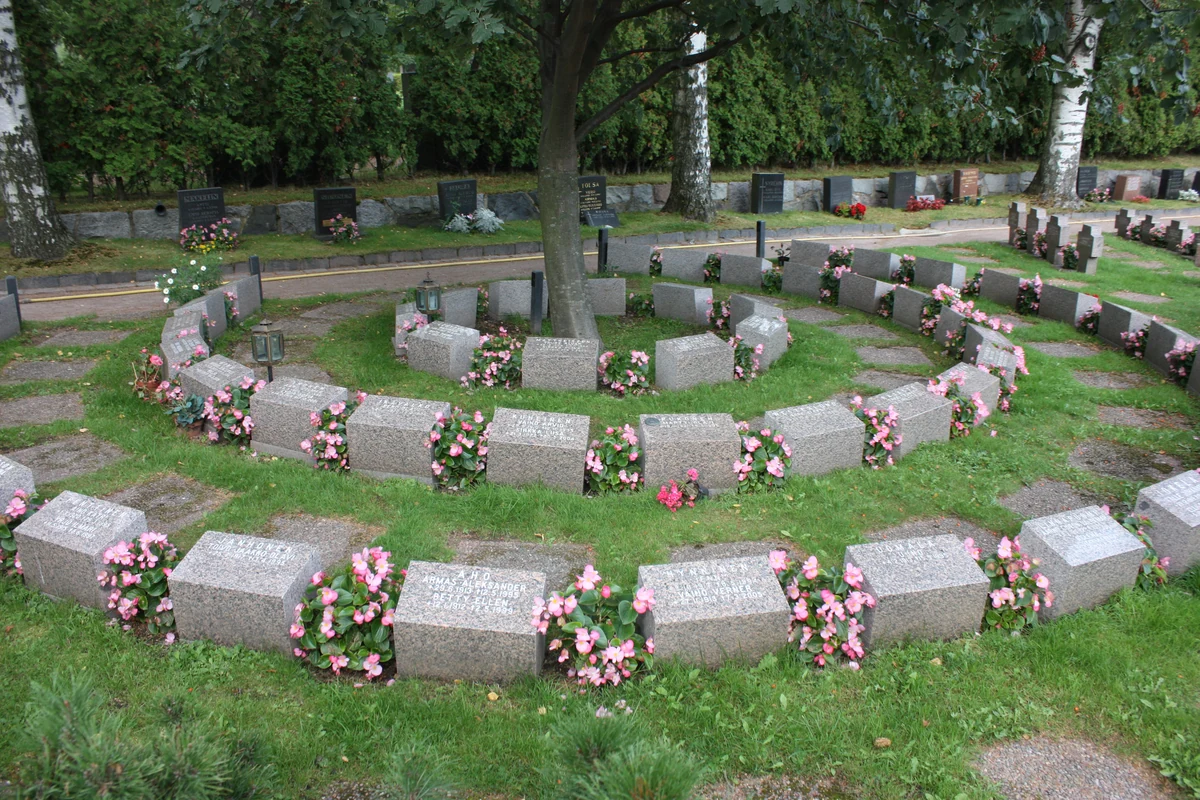
Can you bury ashes in a cemetery plot?
Yes. Burying cremains is known as the interment of ashes, and it follows the same process as a traditional burial, except the plots are much smaller. In many cases cemeteries allow more than one interment in a single plot, which makes it more economical too.
Some cemeteries are set aside specifically for cremation burials. If there isn't one near you, most traditional cemeteries have a designated area, and some have a burial garden, for interring ashes.
How much does it cost to bury an urn?
Burying cremated remains in an urn plot costs around $600, compared with about $1,100 for a traditional burial plot. Those fees generally cover opening the ground and backfilling the grave after the urn or body is placed.
If keeping costs down is a priority, a direct cremation is the simplest and most affordable route. You can see how it compares on our direct cremation and cremation costs pages.
The cremation process
Crematories use high-powered furnaces called cremators, fueled by propane or gas, that reach an average heat of about 1,800°F. The chamber, known as the retort, holds those temperatures thanks to thick, heat-resistant refractory brick insulation.
Most modern cremators run on digital controls, and an operator is usually present to watch for any heat fluctuations that could interfere with the process. The body is placed in a container built to burn quickly with little residue, such as a cremation casket or a simple wooden or cardboard box. Once the chamber reaches temperature, cremation takes around two hours, give or take depending on the size of the body.
Afterward, the bone fragments cool for about 30 minutes. They are then passed through a magnetic field or checked manually with a magnet to remove any metal, such as casket handles, tooth fillings or surgical implants. Pacemakers must be removed beforehand because they can explode under heat.
Finally, the cooled bone fragments are processed into a gritty, sand-like substance, placed in a container and returned to the family. If you want the full walkthrough, see our dedicated cremation process article.
What do cremated remains look like?
Cremains have a fairly uniform but coarse texture. The color is usually a pasty white, though it can lean gray at times. As noted, an adult's remains weigh around five pounds on average.
What to do with cremains
There is no single right answer, and families pick from a wide range of options. Below are some of the most common.
Burial
Burial remains one of the most popular forms of disposition. An urn burial costs far less than a traditional one, and many families choose it so loved ones have a fixed place to visit and pay their respects.
Columbarium
A columbarium is essentially an above-ground mausoleum for ashes, often a free-standing wall with niches that hold an urn or other container. You'll find them at cemeteries, funeral homes and churches. Some niches can hold more than one container or small mementos, and like burial they give family a place to gather.
Scattering
About half of the people who choose cremation opt to scatter the remains. Families usually pick a location that was meaningful to the person who died. Be aware that some faiths place restrictions on scattering; for example, the Catholic Church does not permit scattering ashes.
Displaying
Keeping the remains on display is another popular choice. Urns and boxes are the most common, but ashes can also be set into hourglasses, orbs, candle holders and other decorative pieces. Families sometimes divide the ashes among several relatives so each keeps a portion.
Jewelry
A small amount of ashes can be made into jewelry such as necklaces, bracelets and rings. The remains are either blended into the materials or sealed inside a piece like a locket, so a loved one stays close.
Cremation art
An artist can incorporate a portion of cremains into handmade glass or silver memorials. Cremation glass art is especially popular for paperweights, vases, orbs and other keepsakes.
Cremation diamonds
Ashes can also be turned into diamonds. These memorial gems have become a popular way to commemorate a loved one and carry them with you.
Spreading cremains
Scattering, also called spreading, is one of the most chosen forms of disposition, and it offers an enormous range of possibilities. The main question is usually where. Here are a few ideas to consider.
Remember that some places forbid scattering or require special permission. Check with the local authorities in advance before you plan a ceremony.
In nature
If the person loved the outdoors, a favorite patch of woods, a snow-capped mountain or a peaceful nature trail can be a fitting spot. For those drawn to open water, scattering at sea is a natural choice.
In a garden
If the departed loved to grow things, scattering their ashes in a garden they planted themselves can feel especially right.
From the air
For skydivers, hot-air-balloon enthusiasts or anyone who loved to fly, scattering the remains from an airplane can be the ultimate sendoff.
Transporting cremated remains
It is common to move ashes across the country or overseas. It isn't especially difficult, but there is paperwork and a few procedures to arrange first. The right method depends on whether you are shipping or traveling, and where you are headed.
Domestic shipment
The only carrier authorized to ship cremated remains is the United States Postal Service. Ashes must go by Priority Mail Express, packaged in sift-proof inner and outer containers with enough padding that the contents can't shift. Place the sender's and recipient's names and addresses inside the box in case the outer label is damaged, and apply a USPS contents label on the outside. The full guidelines are in the Postal Service's Publication 139.
International shipment
The USPS also ships internationally, unless the destination country prohibits receiving remains, so confirm that in advance. Pack it as you would for a domestic shipment, send it via First-Class Package International service, and add Registered Mail. The paperwork is the same as domestic, plus a customs declaration form.
Air transport
Check your airline's specific policy for carrying ashes as carry-on or cargo. Some require advance notice and documents such as a death certificate. For international travel you may need export paperwork from your embassy, and a funeral home or crematory can provide a Non-Contraband Affidavit if one is required. Whatever you carry must be in packaging that can be X-rayed.
What will you decide?
Making decisions about the ashes of a loved one is a significant moment. Knowing the language around it helps, and cremains is a term you'll hear again and again.
Take your time, ask questions, and choose what feels right for your family. We hope this guide gives you a little more clarity and confidence during a difficult time, along with our deepest condolences.
FAQ
Cremains: what they are and what to do with them: common questions
- What does the word cremains mean?
- Cremains is a blend of the words cremated and remains. It refers to the bone matter left after cremation, which people also call ashes or simply remains.
- Are cremains actually ashes?
- Not really. Despite the common label, cremains are mostly dry calcium phosphates and minerals such as potassium and sodium, which is bone matter rather than true ash. Real ash would burn away under the heat of a cremation.
- How much do cremated remains weigh?
- An adult's remains weigh about five pounds on average, representing roughly 3.5% of the original body weight, and about 2.5% for children. Height and bone density both affect the amount.
- Can you bury cremated remains in a cemetery?
- Yes. Burying cremains is called the interment of ashes. It follows the same process as a body burial but uses much smaller plots, and in many cases cemeteries allow more than one interment per plot.
- How much does it cost to bury an urn?
- An urn plot costs around $600, compared with about $1,100 for a traditional burial plot. The fee usually covers opening and backfilling the grave.
- Can you mail cremated remains?
- Yes, but only through the United States Postal Service, sent by Priority Mail Express in sift-proof inner and outer containers. International shipments use First-Class Package International with Registered Mail and a customs form.
When you’re ready to look at costs
See what's fair where you live before any provider quotes you.

About the author
Adam Binstock
Founder of Cremation Institute
Keep reading
Related guides
Planning a cremation?
See what a direct cremation should cost where you live, and compare trusted providers before you pay for extras you may not need.
Direct cremation costs →